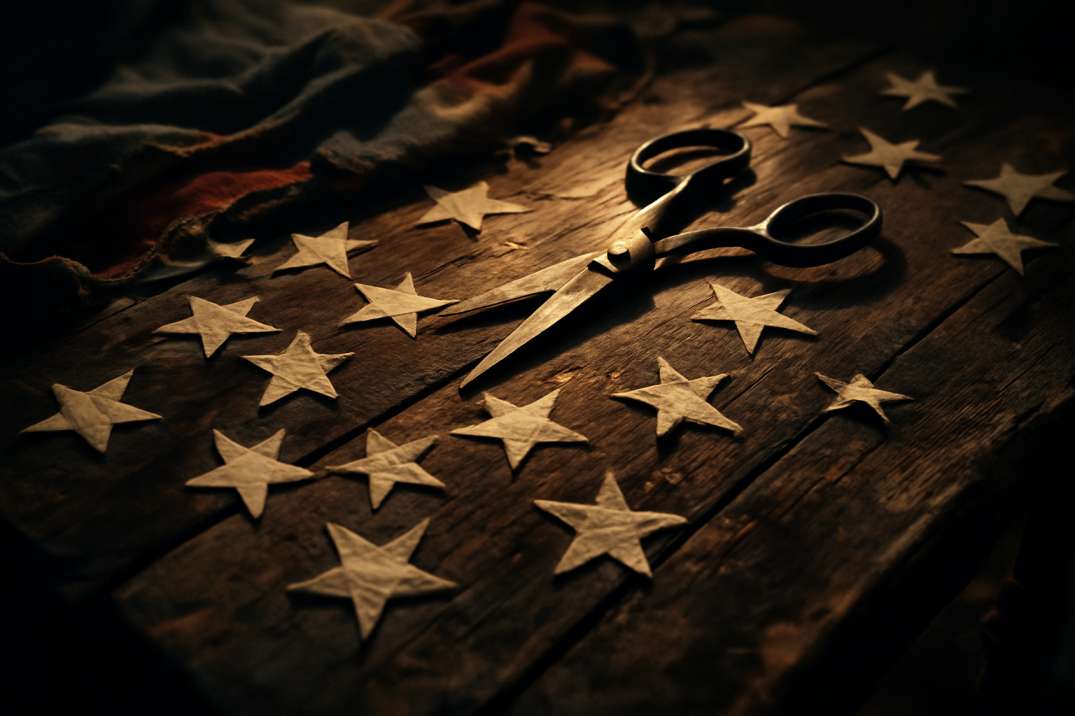
The American flag is one of the most iconic national symbols in the world. But behind its familiar stars and stripes lies a mystery that has fascinated historians for generations: Who actually designed the very first American flag?
For more than a century, most Americans have been taught that Betsy Ross, a Philadelphia upholsterer, stitched the first flag at the request of George Washington. While this story is beloved and widely repeated, the true history is more complex—and in many ways, even more interesting.
So, did Betsy Ross really design the first flag? Or is the story something different from what we learned in school? Let’s explore the facts, the myths, and the evidence behind America’s very first “Stars and Stripes.”
The Popular Story: Betsy Ross and George Washington
According to the traditional tale, in June 1776, George Washington and two other members of a secret congressional committee visited Betsy Ross, asking her to sew a new national flag for the soon-to-be-independent colonies.
The famous details include:
-
Washington presenting a sketch of a flag
-
Betsy suggesting the five-pointed star instead of the six-pointed star
-
Betsy completing the sewing in her upholstery shop
-
The flag becoming the first official U.S. flag
This story became nationally known nearly 100 years later when Ross’s grandson began promoting it in 1870.
But is there proof?
What Historians Have Found
Despite the popularity of the story, historians have never located:
-
Original documents
-
Letters
-
Payment receipts
-
Official records
…that directly link Betsy Ross to the first flag’s design or construction.
This doesn’t mean she didn’t sew flags—she absolutely did. Betsy was known as a skilled upholsterer who produced military items, banners, and flags during the Revolutionary War. She was also a respected craftswoman in Philadelphia.
But as far as the very first flag, no surviving Revolutionary-era document confirms her involvement.
So Who Did Design the First Flag?
While the exact designer may never be known with absolute certainty, several key figures likely played important roles.
1. Francis Hopkinson
Most historians consider Francis Hopkinson the strongest candidate.
Hopkinson was:
-
A signer of the Declaration of Independence
-
A member of the Continental Congress
-
A skilled artist and designer
He created early governmental seals and symbols, and records show he billed Congress for designing the “flag of the United States.”
His payment request was rejected—but not because they doubted his claim. Congress argued he was already a public servant and could not be paid twice.
This is the closest known primary-source evidence linking anyone to the first flag’s design.
2. Congressional Committees
The flag’s design was likely influenced by:
-
The Continental Congress
-
Military leaders
-
Existing colonial banners
-
Trends in heraldry at the time
Flags were practical objects, and multiple people may have contributed ideas before Congress approved the first “Stars and Stripes” design in 1777.
3. Local Sewers and Upholsterers
Whether designed by Hopkinson or others, the first actual flag would have been sewn by:
-
Upholsterers
-
Sail-makers
-
Skilled craftsmen and craftswomen
This group could very well have included Betsy Ross—or several others whose names are now lost to history.
What We Do Know About Betsy Ross
Even though the evidence for her designing the first flag is uncertain, Betsy Ross was undoubtedly important:
-
She sewed numerous flags during the Revolutionary War
-
She created naval ensigns and banners for Pennsylvania
-
She owned a successful upholstery business
-
She worked for the Continental Army
-
Her family preserved and passed down the story for generations
Because of this, Betsy Ross remains a meaningful symbol of early American craftsmanship and patriotism—even if the exact historical details are debated.
Why the Betsy Ross Story Became So Popular
The story grew enormously in the late 1800s, during a period when Americans were seeking national heroes and patriotic symbols. Schools, newspapers, and civic groups embraced the tale because it:
-
Celebrated a strong female figure
-
Connected ordinary citizens to the birth of the nation
-
Offered a simple, inspiring origin story
Whether literally true or not, the Betsy Ross legend helped shape American identity.
The Truth: A Blend of Fact, Mystery, and Legacy
So who designed the first American flag?
The most likely conclusion is:
-
Francis Hopkinson designed the earliest official version.
-
Skilled upholsterers—possibly including Betsy Ross—sewed early flags.
-
Congress approved and standardized the design.
The truth is richer than a single legend: the flag was the product of artistry, collaboration, and craftsmanship during a pivotal moment in American history.
Conclusion
While the beloved Betsy Ross story remains part of American folklore, evidence suggests that the true designer of the first American flag was likely Francis Hopkinson, supported by committees and artisans of the time. Betsy Ross’s role, though not fully documented, still reflects the essential contributions of ordinary citizens during the Revolution.
The flag’s origins—like the nation itself—are a combination of courage, creativity, mythology, and shared effort. And that makes its story every bit as meaningful today.


