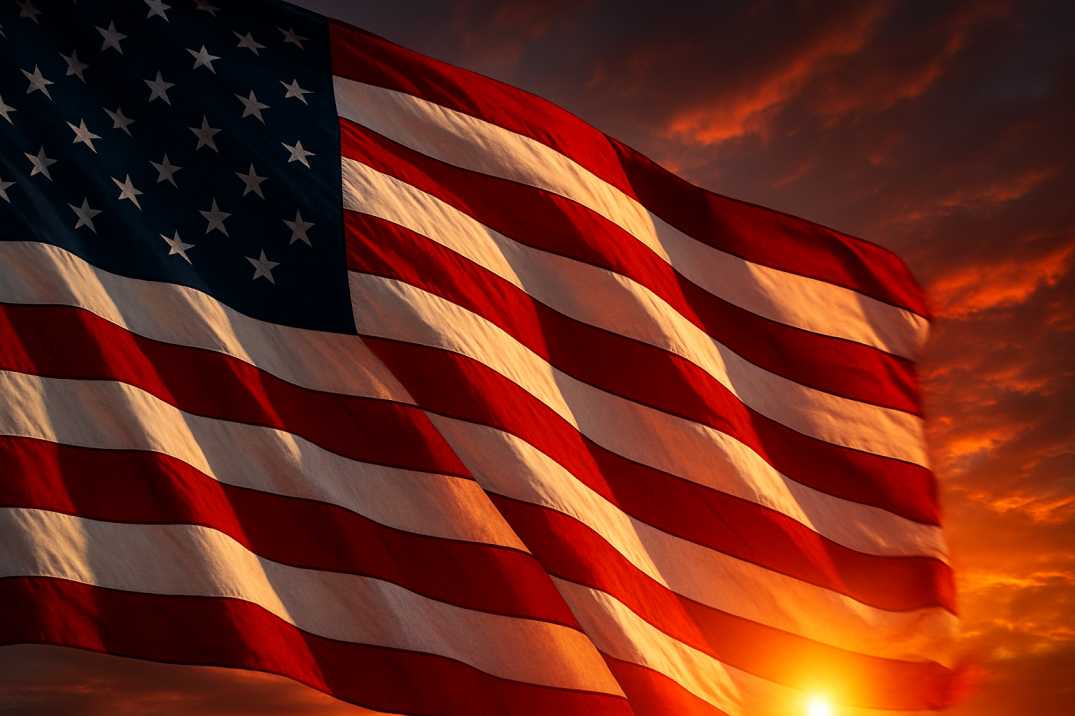
The United States flag is instantly recognizable for its bold red and white stripes and its field of stars. While the stars frequently change when new states join the Union, the 13 stripes have remained constant since the earliest days of the nation. These stripes are more than decorative—they carry deep historical meaning that traces back to the birth of the United States.
The Origin of the 13 Stripes
The concept of using stripes on the American flag dates back to the Revolutionary War. Before the United States formally adopted its own national flag, various early banners used by colonial militia groups included red and white stripes to symbolize unity among the colonies.
On June 14, 1777, the Continental Congress passed the first official Flag Act, which stated:
“The flag of the United States be thirteen stripes, alternate red and white…”
These stripes represented the 13 original colonies, which together declared independence from Great Britain and became the first 13 states.
These original colonies were:
-
Delaware
-
Pennsylvania
-
New Jersey
-
Georgia
-
Connecticut
-
Massachusetts
-
Maryland
-
South Carolina
-
New Hampshire
-
Virginia
-
New York
-
North Carolina
-
Rhode Island
Each stripe was a symbol of solidarity and shared purpose.
Why Stripes Instead of Stars for the Original Colonies?
When the flag was created, the founders wanted a design that represented:
-
Unity among the states
-
Equality among the colonies
-
A clean separation from British symbolism
Stripes offered a simple, bold way to visually express unity. Red and white could alternate infinitely, allowing the colonies to be viewed as equal partners in their struggle for independence.
Stars were added to represent the growing union of states, while the stripes remained tied to the nation’s original foundation.
Why the Number of Stripes Stopped at 13
After the Revolution, the U.S. continued to expand. In 1795, when Vermont and Kentucky joined the Union, Congress approved a change to the flag:
-
15 stars
-
15 stripes
This seemed reasonable at the time—until more and more states began joining.
With each new state, the idea of adding more stripes quickly became impractical. Too many stripes would crowd the flag and distort the design.
Recognizing this issue, Congress passed the Flag Act of 1818, which restored the flag to:
-
13 stripes (permanently)
-
One star for each state
From that moment on, the stripes were officially fixed to honor the original colonies only, while new states would be represented exclusively by stars.
Symbolic Meaning of the Colors
When the Great Seal of the United States was adopted, the meaning of the colors was officially described:
-
Red symbolizes courage and valor
-
White symbolizes purity and innocence
-
Blue symbolizes vigilance, perseverance, and justice
The stripes therefore represent not only the first colonies but also the virtues the founders believed were essential to the new nation.
The Stripes Today: A Link to America’s Beginning
The modern American flag has changed dozens of times as new stars were added, but the stripes remain a constant reminder of the country’s origins. They serve as a tribute to the first 13 colonies that formed the foundation of a new nation.
While the stars reflect America’s growth, the stripes celebrate its birthplace—symbolizing the courage, unity, and determination that gave rise to the United States.